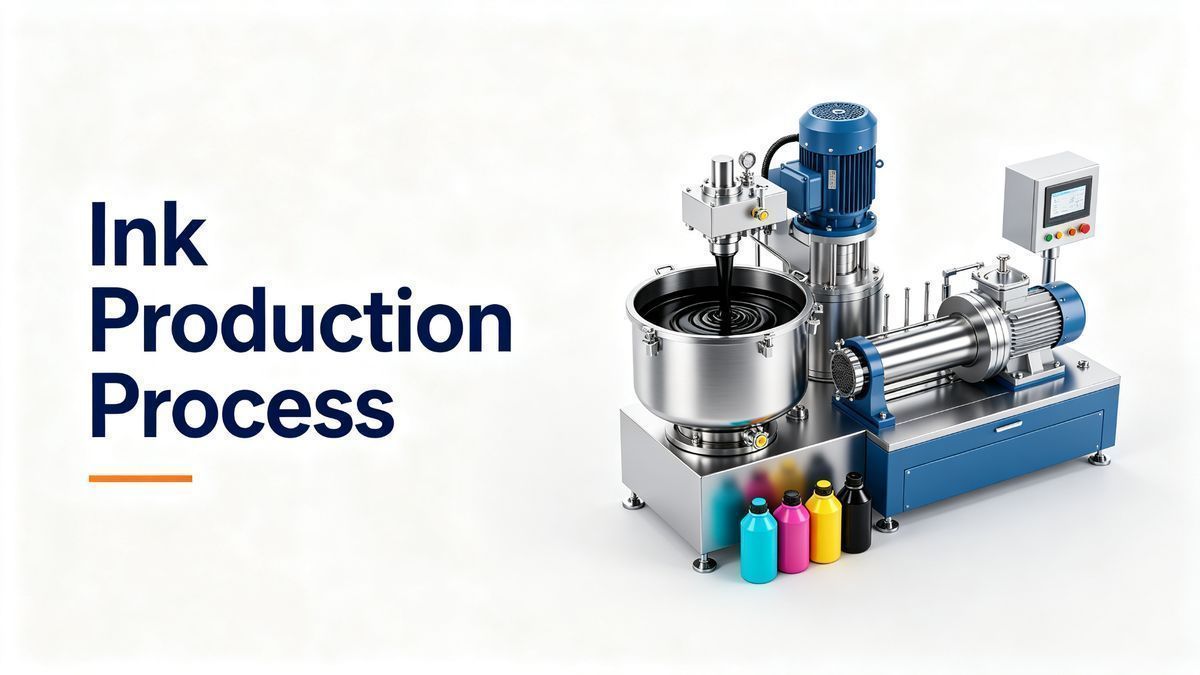
How Industrial Ink Is Made: Process and Equipment
Industrial ink production is a sequence of defined stages, each with its own equipment requirement and quality check. The process begins with raw material handling and …

ENGINEERING RESOURCES
Technical articles, application guides and equipment selection resources for wet grinding, dispersion and powder processing from POLYC MACHINE.
Technical articles, selection guides, and application notes from our engineering team.Industrial ink production is a sequence of defined stages, each with its own equipment requirement and quality check. The process begins with raw material handling and …
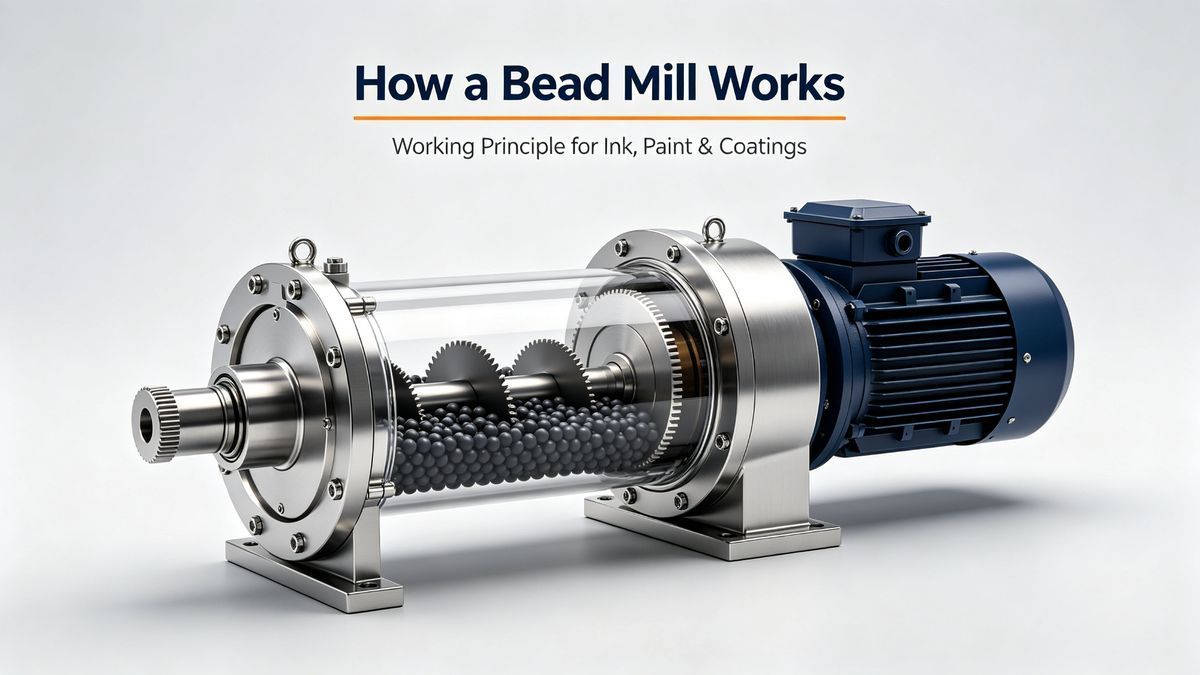
A bead mill reduces particle size by pumping product through a chamber filled with moving grinding media. Understanding the mechanism explains why media size, tip speed …
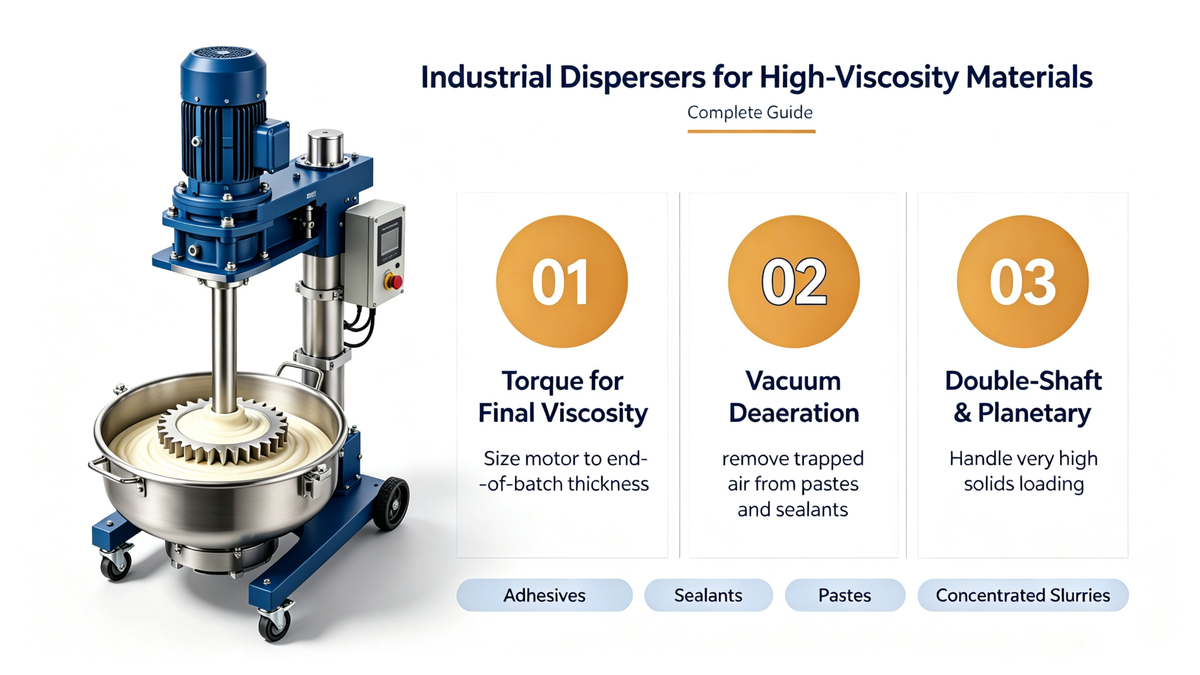
Above 50,000 cP, a standard single-shaft disperser stops being effective because the material rotates with the shaft instead of flowing past it. High-viscosity dispersion requires dual-shaft …
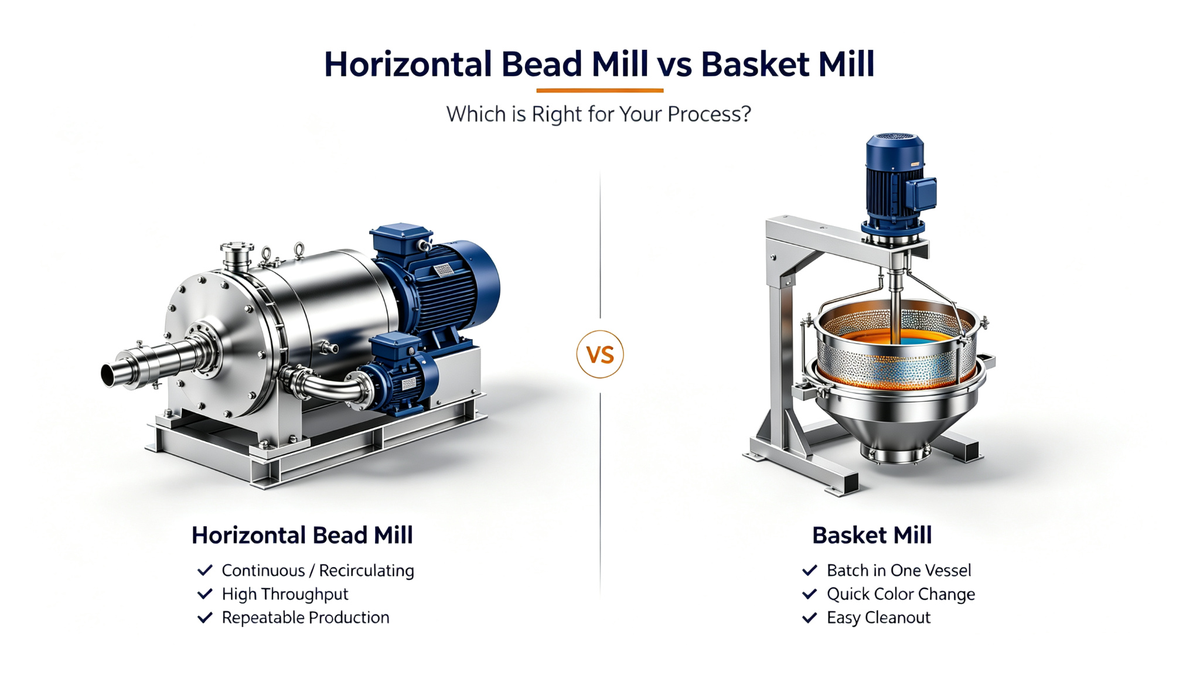
Horizontal bead mills and basket mills both reduce particle size using grinding media, so fineness capability alone rarely decides between them. The meaningful differences lie in …
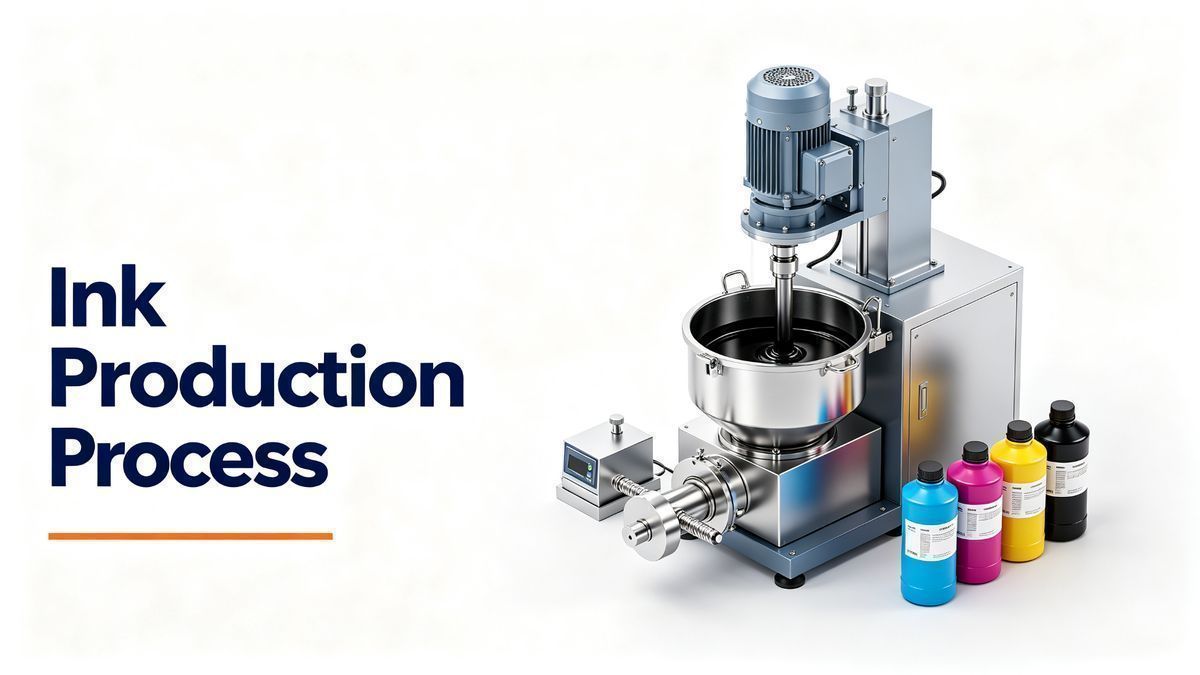
Ink production involves six key steps: resin dissolving, pigment pre-dispersion, bead milling, letdown, filtration and filling. The critical control points are viscosity, particle size distribution and …
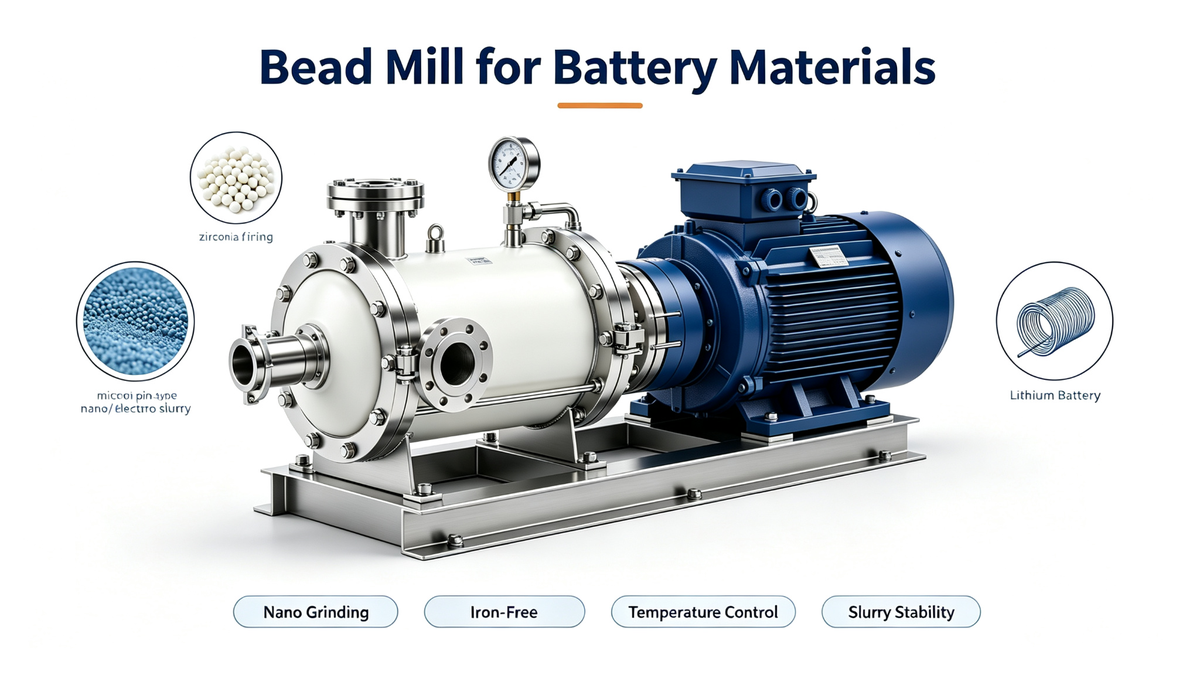
Electrode slurry preparation has moved from a utility step to a performance-critical operation. Dispersion quality directly influences energy density, rate capability and cycle life, so the …
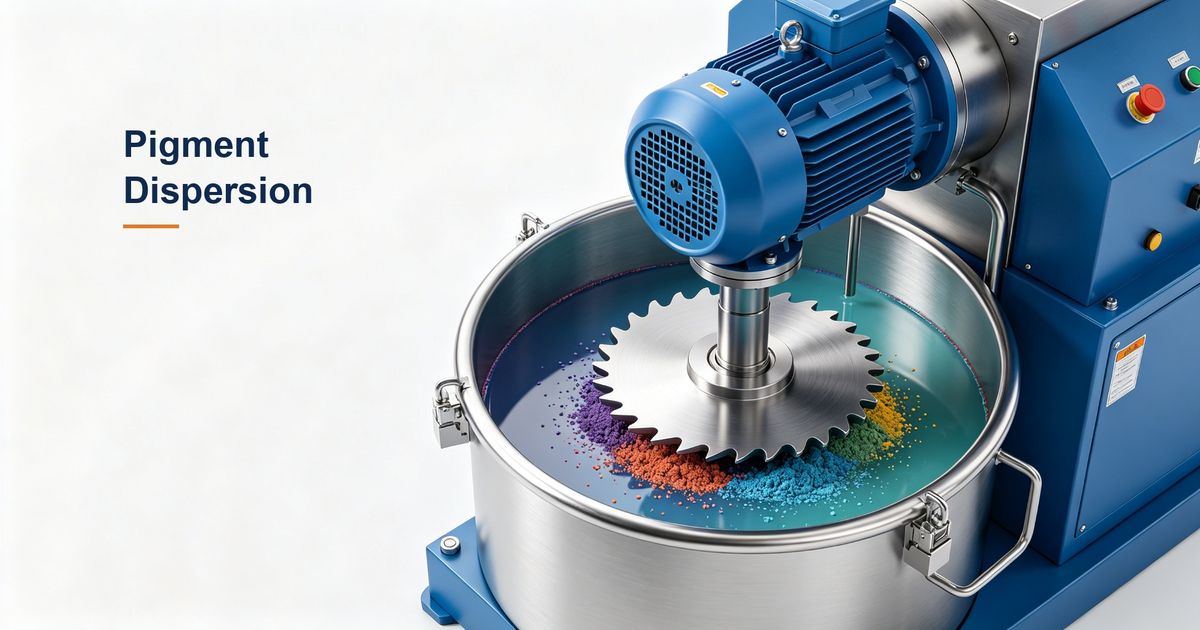
Pigment dispersion is the process of breaking agglomerates into primary particles and keeping them apart. It underpins colour strength, gloss and stability in coatings and inks, …
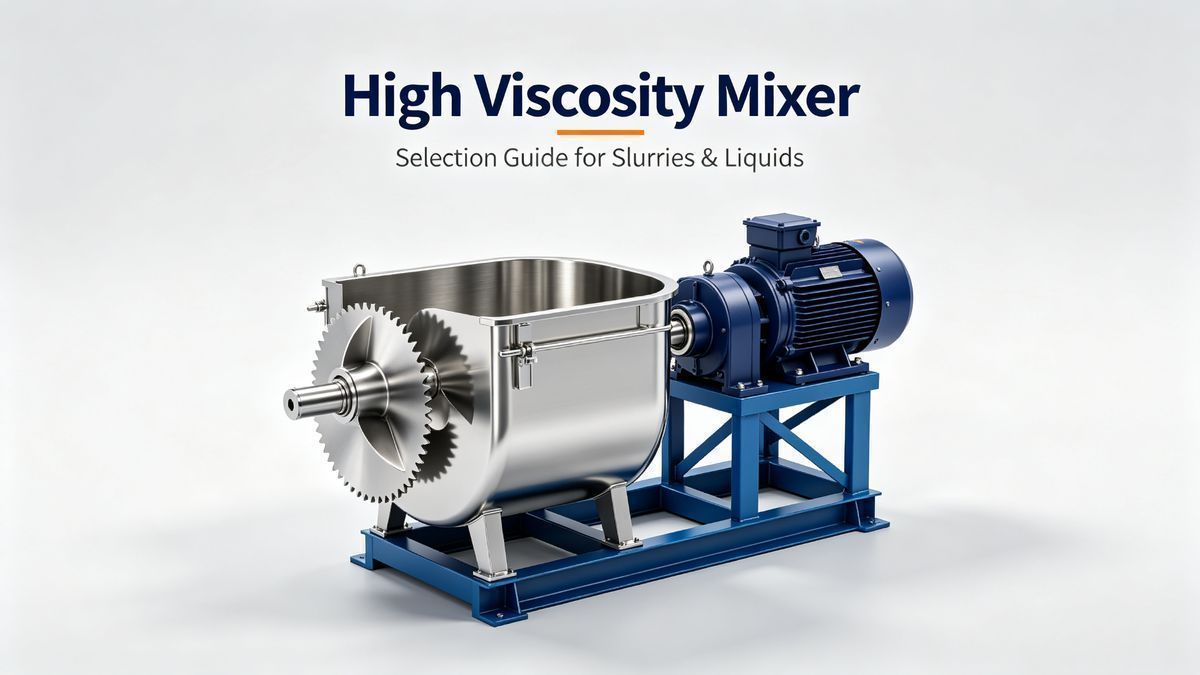
High viscosity mixing is governed by a different principle from dispersion. Below roughly 50,000 cP, material flows readily to a high-shear disc and the problem is …
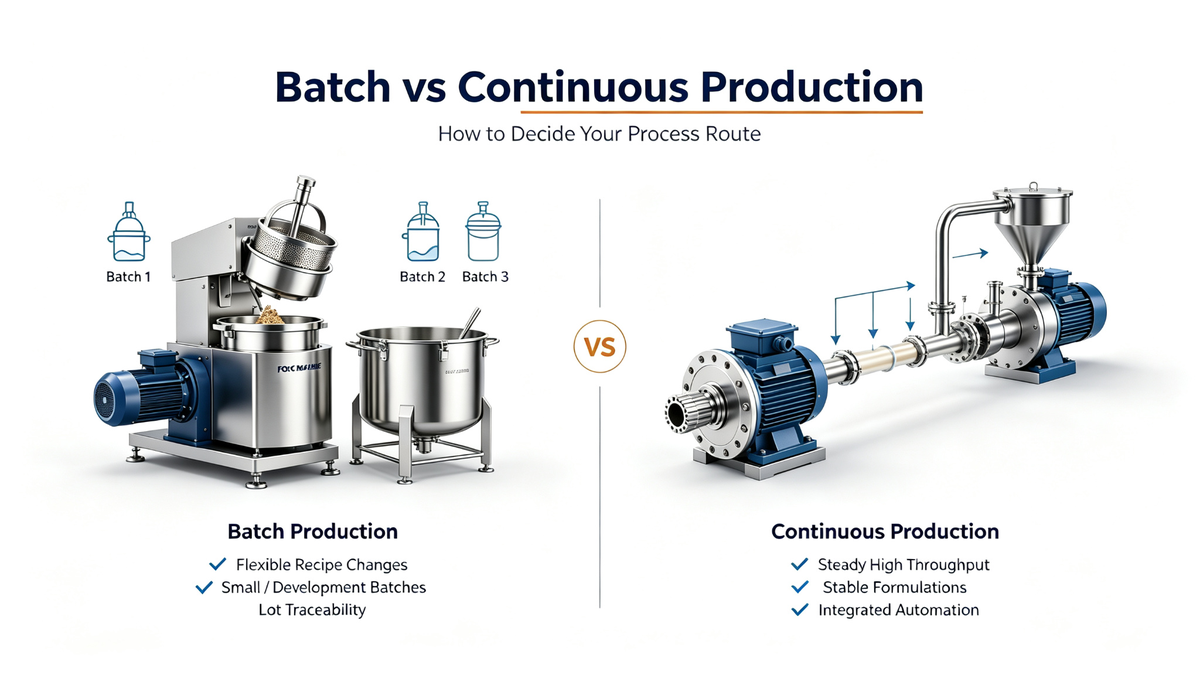
Batch production processes discrete loads with identifiable start and finish points, while continuous production maintains a material flow through connected equipment. Product variety, throughput, traceability, cleaning, …
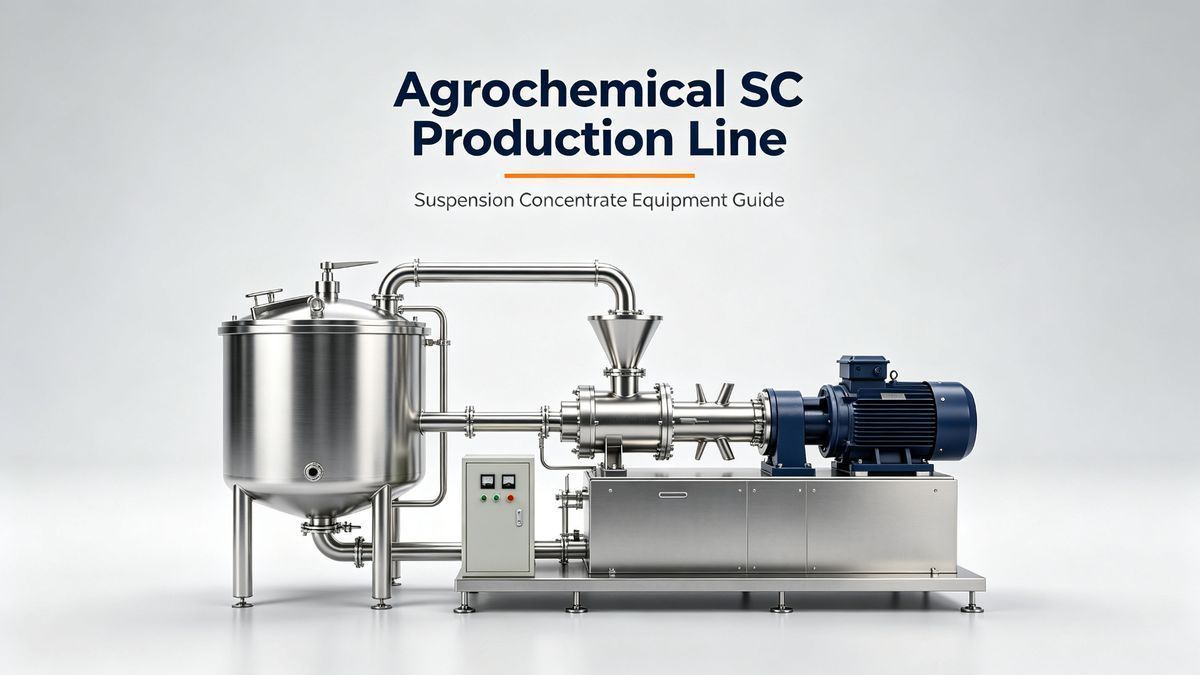
Suspension concentrate formulation is now the dominant agrochemical product type, because it delivers high active loading with reduced solvent use, lower operator exposure and less spray …
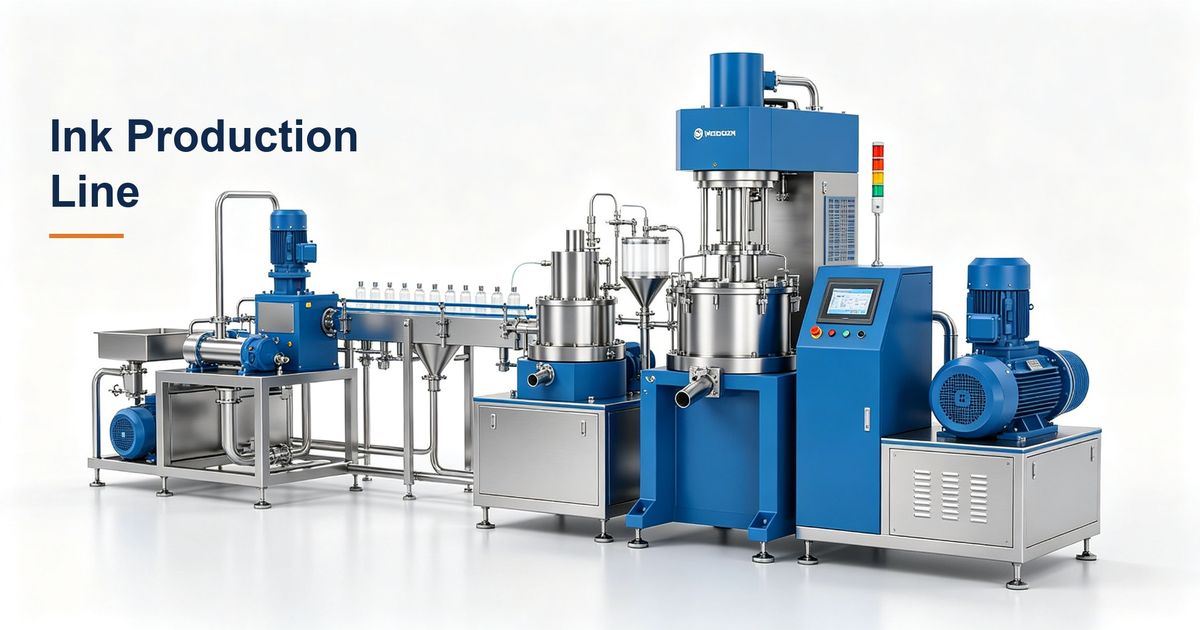
Printing ink production is a controlled sequence of weighing, wetting, grinding, adjustment, testing, and filling. A complete line is designed around the ink chemistry, target fineness, …
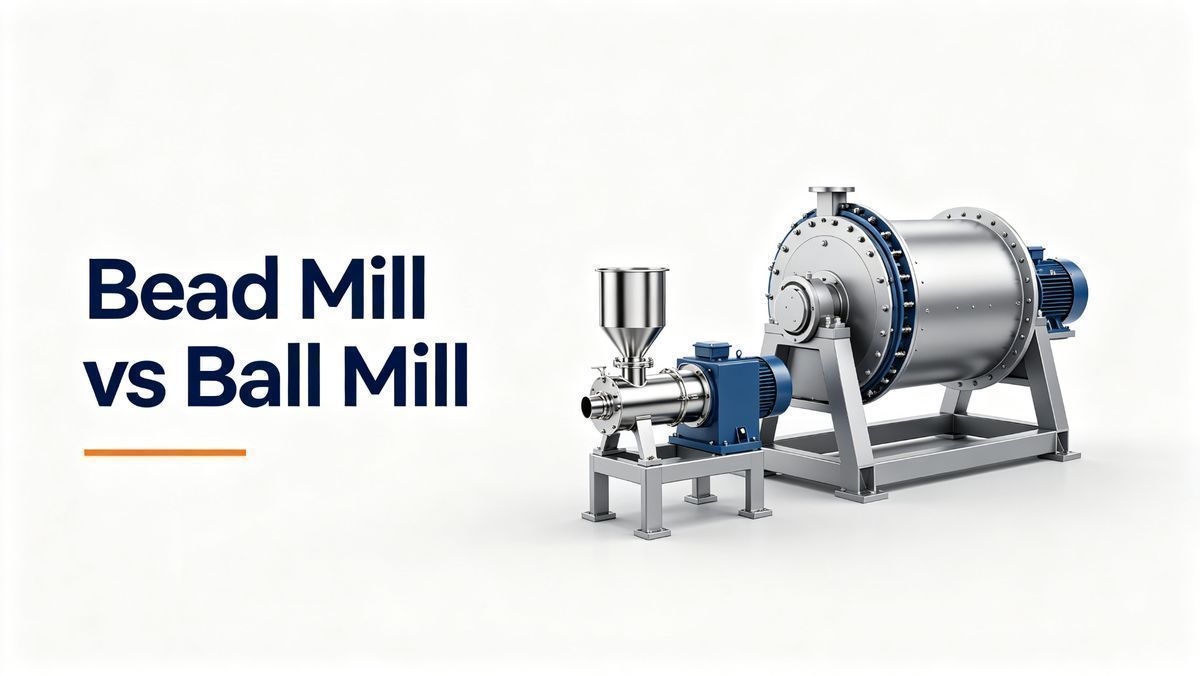
Bead mills and ball mills both reduce particle size using grinding media, but they differ fundamentally in how energy is delivered. A ball mill relies on …
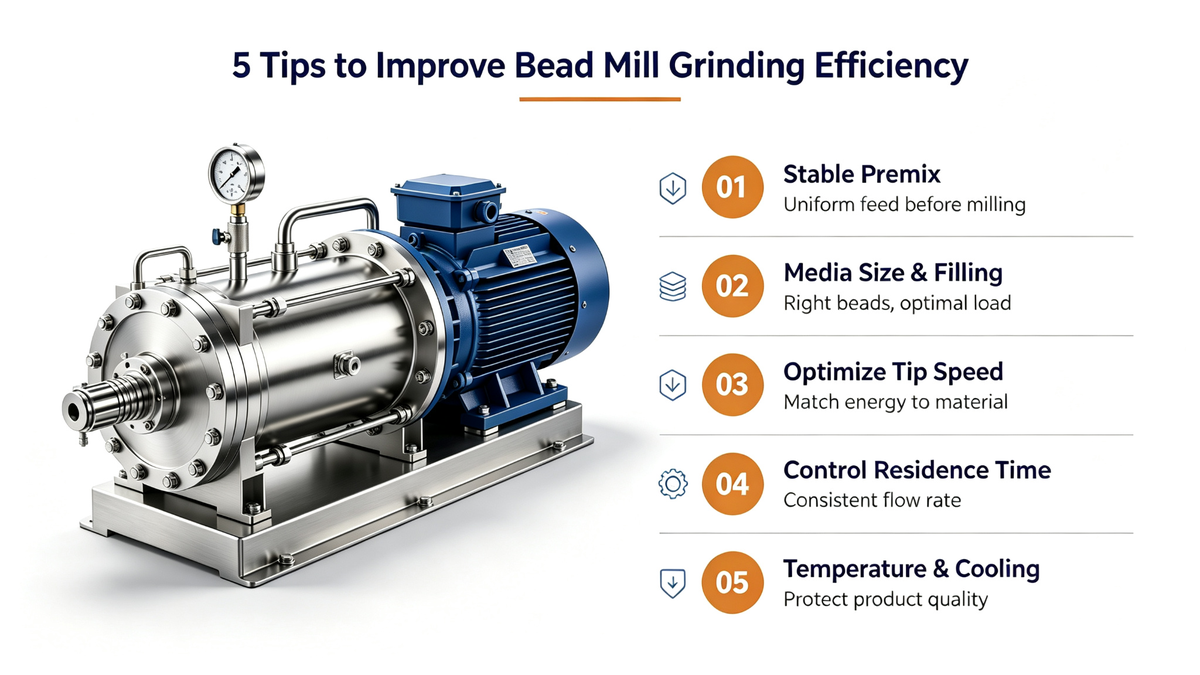
Bead mill efficiency is the useful particle-size reduction obtained for a given energy input. It is improved by coordinating media size and loading, rotor speed, feed …
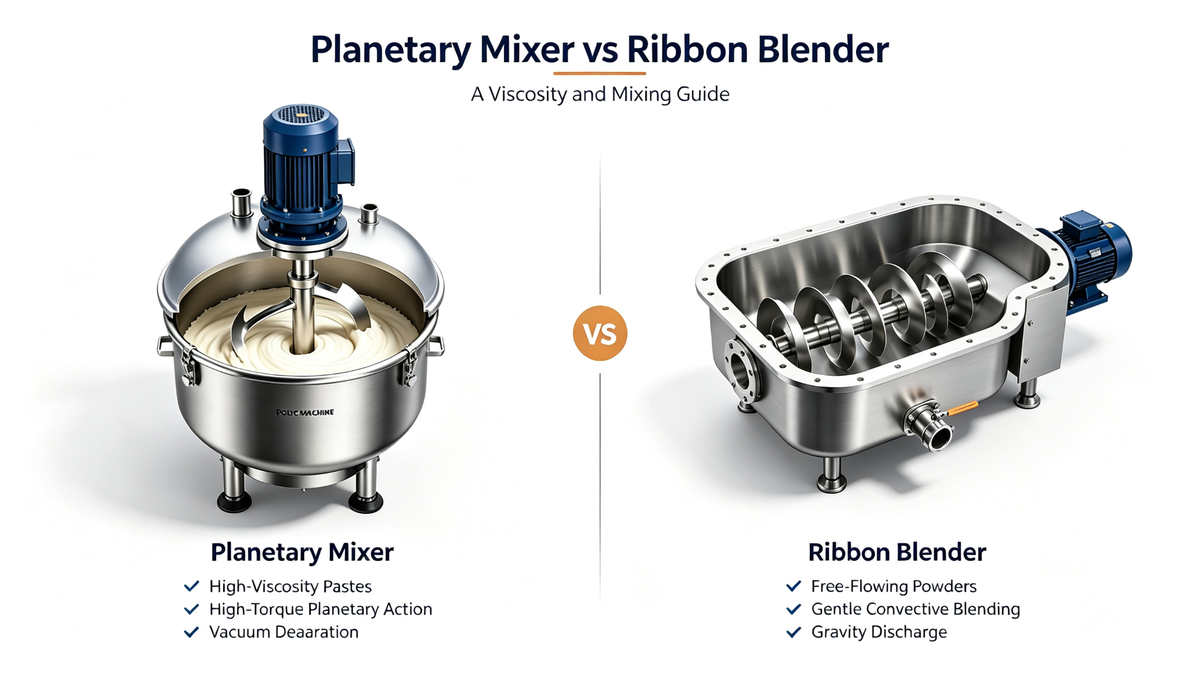
Planetary mixers and ribbon blenders are both batch mixers, but they are designed for opposite ends of the viscosity spectrum. A planetary mixer moves stiff paste, …
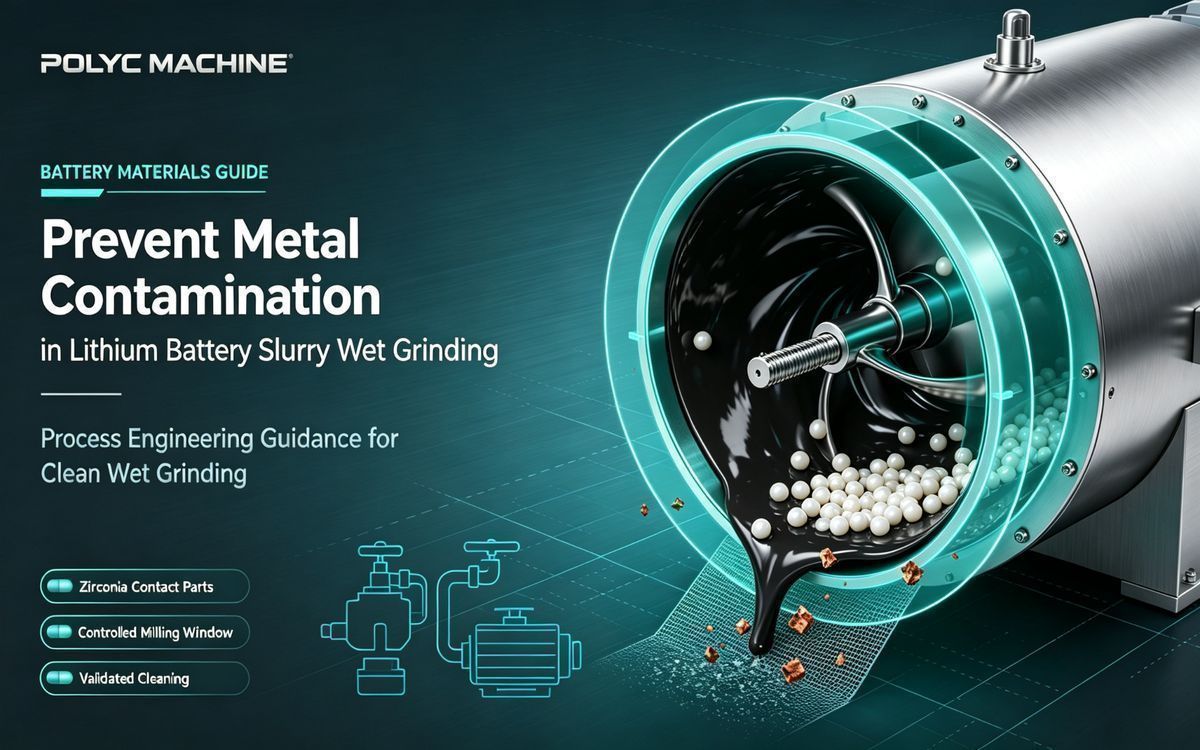
Trace metal contamination introduced during wet grinding measurably degrades lithium-ion cell performance. Iron, copper and nickel ions increase self-discharge and shorten cycle life, and the effect …
No resources match your search. Try another topic or filter.
THANK YOU
PRESENTATION LIBRARY
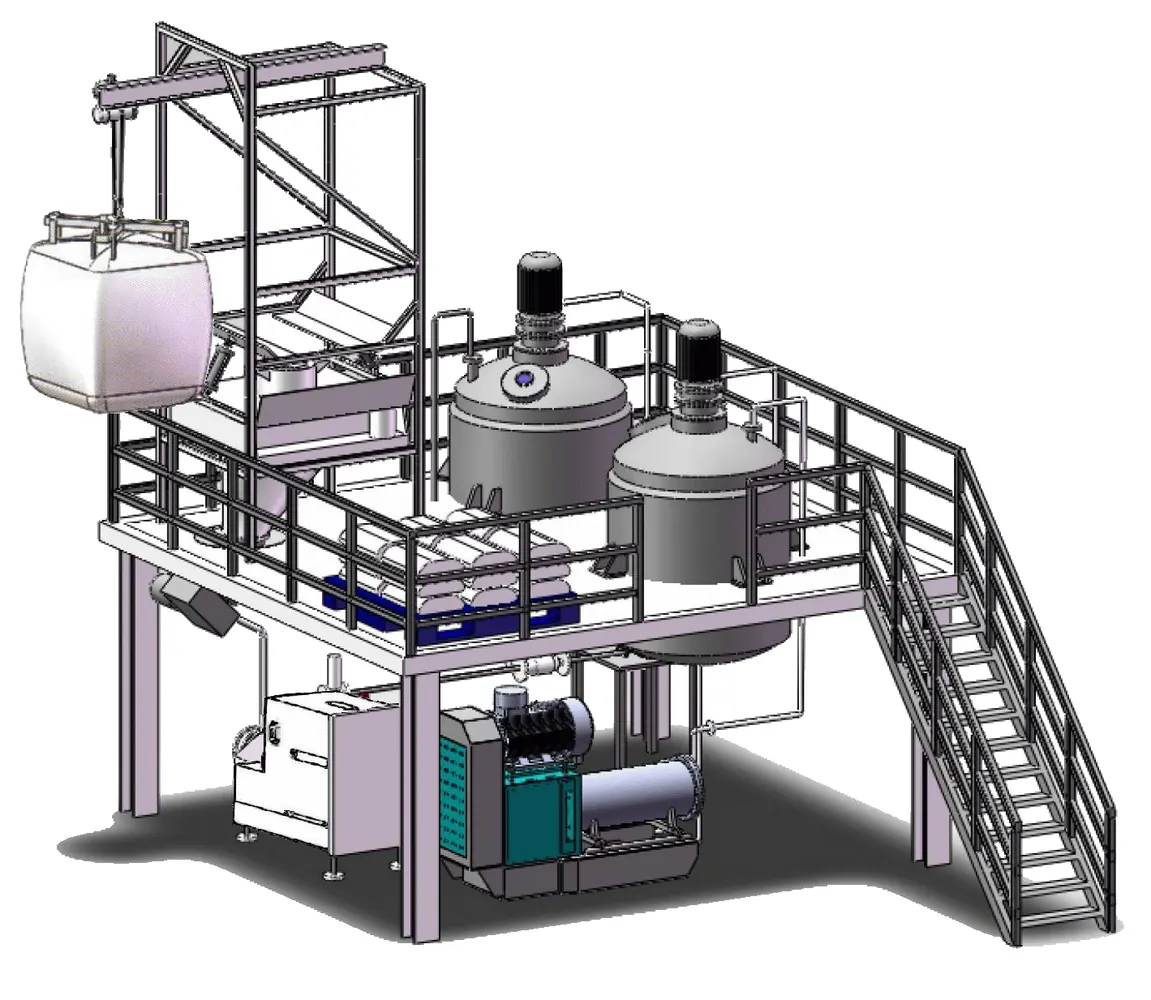
Inline dispersion, horizontal bead milling and complete ink production workflows.
View web presentation →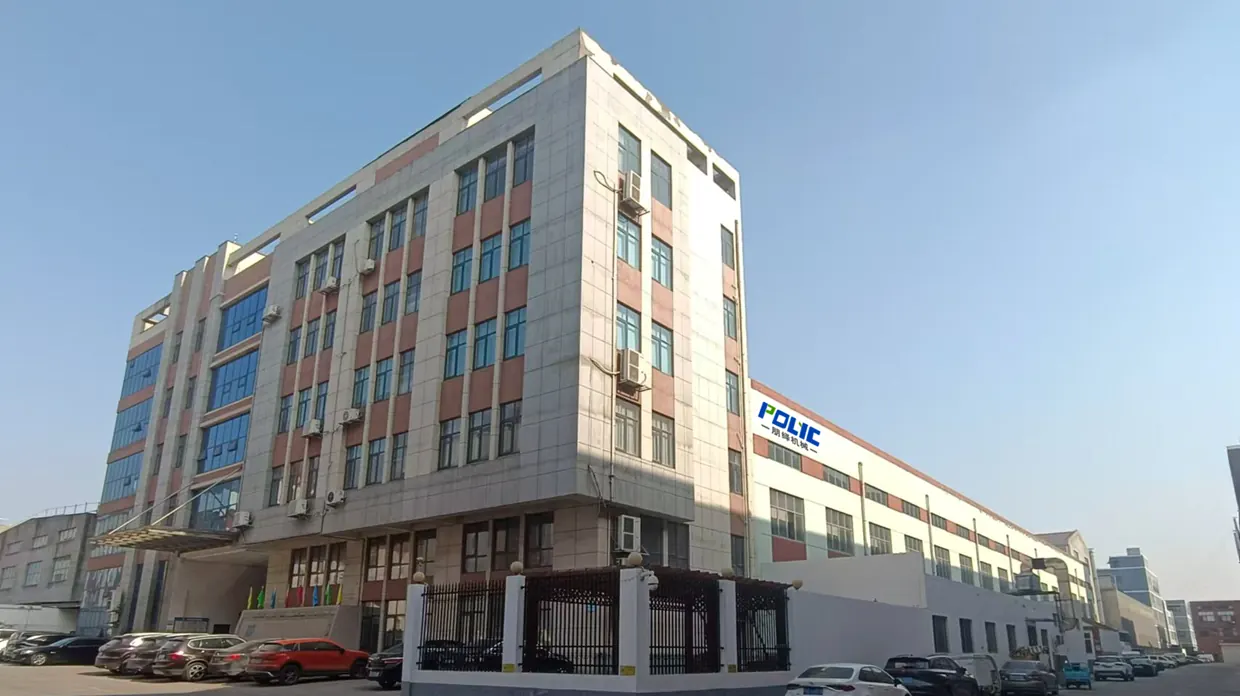
Manufacturing capability, core equipment and integrated production solutions.
View web presentation →PROJECT DISCUSSION
Share your process target and operating constraints. We will help define a practical <a href="/products/">equipment route</a>.
Browse Technical Resources →